
It’s 2:30 in the afternoon. You’re staring at your screen. Your coffee wore off an hour ago, your brain feels like it’s wrapped in cotton wool, and you’d sell your left shoe for a 20-minute nap.
Sound familiar?
You’re not alone — and you’re not lazy. Low energy, brain fog, and that dreaded post-lunch slump are some of the most common complaints people bring to their doctors. But here’s the thing most people miss: what you eat — and when you eat it — has an enormous impact on how you feel for the rest of the day.
Knowing what to eat to stay energized all day isn’t complicated, but it does require some understanding of how food actually works inside your body. Get that right, and you’ll be surprised how much better you can feel without changing anything else.
Let’s get into it.
Why You Feel Tired During the Day
Before we talk food, it helps to understand why energy crashes happen in the first place.
Your body runs on glucose — a simple sugar derived from the carbohydrates you eat. When blood sugar rises quickly (think: a sugary muffin or white bread), your pancreas releases a flood of insulin to bring it back down. Fast. And when blood sugar drops too low, you get that familiar «crash» — fatigue, irritability, difficulty concentrating.
It’s a rollercoaster. And most people ride it multiple times per day without realizing it.
Other culprits include:
- Skipping meals or going too long without eating
- Eating too many processed, low-nutrient foods
- Dehydration (even mild)
- Poor sleep (yes, food can affect this too)
- Lack of key micronutrients like iron, B vitamins, and magnesium
The good news? You can smooth out this rollercoaster dramatically with smarter food choices. Here’s how.
How Food Affects Your Energy Levels
Not all calories are created equal when it comes to energy. The glycemic index (GI) of a food — a measure of how quickly it raises blood sugar — plays a big role in how sustained your energy will be after eating.
High-GI foods (white rice, sugary drinks, pastries) spike blood sugar fast and drop it just as fast. Low-GI foods (oats, legumes, most vegetables) release energy slowly and steadily, keeping you alert without the crash.
According to Harvard T.H. Chan School of Public Health, choosing complex carbohydrates over refined ones is one of the most effective dietary strategies for maintaining steady energy levels throughout the day.
Protein and healthy fats also slow down the digestion of carbohydrates, which means combining them together in meals is a powerful strategy for stable energy. Think eggs with whole grain toast, or chicken with quinoa and roasted vegetables.
The takeaway: foods for stable energy are usually whole, minimally processed, and contain a good balance of macronutrients.
Best Foods to Stay Energized All Day
Here’s the core of it. These are the energy boosting foods that nutritionists, dietitians, and performance coaches keep recommending — because they work.
Complex Carbohydrates
The backbone of a solid energy diet. Unlike simple carbs, complex carbs break down slowly and provide a steady stream of glucose to your brain and muscles.
Best choices:
- Oats (especially rolled or steel-cut)
- Brown rice and quinoa
- Sweet potatoes
- Whole grain bread and pasta
- Legumes (lentils, chickpeas, black beans)
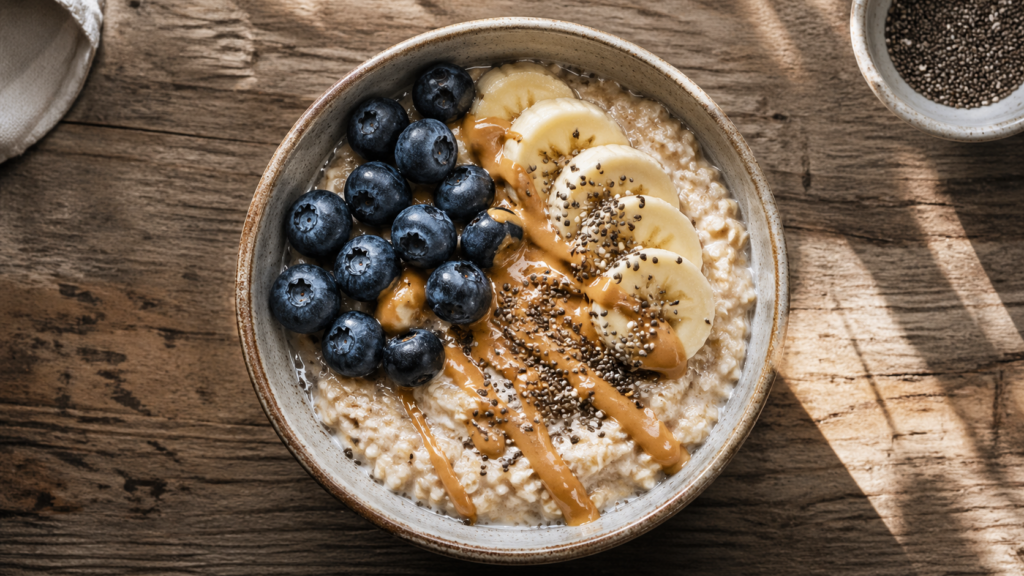
Oats, in particular, are a favourite among athletes and nutritionists alike. They’re rich in beta-glucan fibre, which slows digestion and keeps blood sugar stable for hours.
Lean Proteins
Protein doesn’t give you a quick energy hit, but it keeps you full and prevents the dips that come from carb-heavy meals eaten alone. It also supports neurotransmitter production — meaning better focus and mood.
Best choices:
- Eggs
- Chicken and turkey breast
- Greek yoghurt
- Tuna and salmon
- Tofu and tempeh
Healthy Fats
Your brain is around 60% fat. It needs quality fats to function well — especially for concentration and mental clarity.
Best choices:
- Avocado
- Nuts (almonds, walnuts, cashews)
- Olive oil
- Fatty fish (salmon, mackerel, sardines)
- Chia seeds and flaxseeds
Omega-3 fatty acids found in fatty fish and walnuts are particularly beneficial for brain energy and reducing mental fatigue, according to research published by the Mayo Clinic.
Iron-Rich Foods
Iron deficiency is one of the most common causes of fatigue, especially in women. Without enough iron, your red blood cells can’t carry adequate oxygen to your muscles and brain.
Best choices:
- Spinach and dark leafy greens
- Red meat (in moderation)
- Lentils and kidney beans
- Pumpkin seeds
- Fortified cereals
Pair iron-rich plant foods with vitamin C (like a squeeze of lemon or some bell pepper) to boost absorption.
B Vitamin Powerhouses
The B vitamins — especially B12, B6, and folate — are essential for converting food into usable energy. A deficiency in any of them can leave you feeling chronically drained.
Best choices:
- Eggs (B12)
- Sunflower seeds (B6)
- Salmon (B12 and B6)
- Leafy greens (folate)
- Nutritional yeast (great for vegans)
Worst Foods for Energy Crashes
Knowing what to eat for sustained energy means knowing what to limit too. These are the biggest dietary offenders when it comes to afternoon slumps and sluggishness.
Sugary drinks and sodas They spike blood sugar fast and drop it just as quickly. The short-lived energy hit isn’t worth the crash that follows — or the empty calories.
White bread and refined carbohydrates White bread, white rice, crackers, pastries — these are stripped of fibre and digest rapidly, causing blood sugar spikes and fast crashes.
Fast food and fried foods High in saturated fat and low in nutrients, these slow digestion and divert energy to the digestive system. That heavy, lethargic feeling after a greasy meal? That’s why.
Alcohol Even a glass at lunch disrupts blood sugar regulation and interferes with sleep quality — which means lower energy the next day.
High-sugar breakfast cereals Starting the day with a sugar rush sets you up for a crash by mid-morning. If it has more than 10g of sugar per serving, put it back.
Excessive caffeine Coffee is fine in moderate amounts, but relying on 4–5 cups a day can disrupt sleep, cause jitteriness, and create a dependency cycle that leaves you more tired overall.
Smart Snacks for Sustained Energy
Snacks get a bad reputation. But the right snacks — eaten at the right time — are actually one of the best tools you have for how to avoid energy crashes between meals.
The key is balance: a combination of protein, healthy fat, and fibre. This trio slows digestion and keeps blood sugar stable.
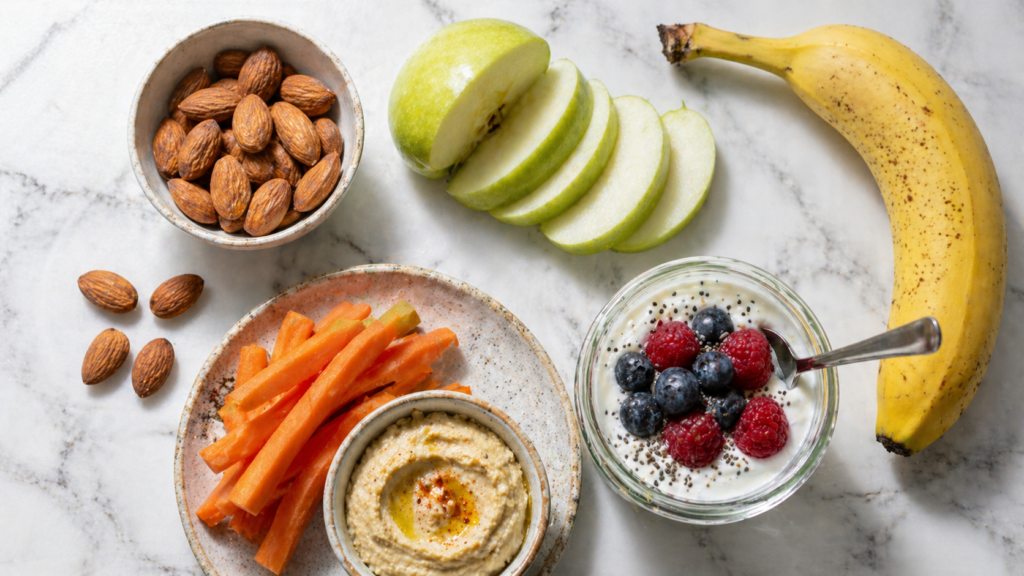
Great energy snacks:
- Apple slices with almond butter
- A small handful of mixed nuts and dried fruit
- Greek yoghurt with berries
- Hummus with carrot and cucumber sticks
- A hard-boiled egg with a rice cake
- A banana with a tablespoon of peanut butter
- Cottage cheese with pineapple
Aim to snack around 2–3 hours after meals, before you get hungry enough to reach for something processed. Prevention is easier than damage control.
Sample Daily Meal Plan for All-Day Energy
This is what a full day of foods that give you energy looks like in practice. It’s not extreme. It’s not expensive. It’s just smart.
Breakfast (7:30am) Overnight oats made with rolled oats, unsweetened almond milk, chia seeds, and topped with blueberries and a spoonful of almond butter. Optional: a boiled egg on the side.
Why it works: Slow-releasing carbs from oats, protein and omega-3s from chia seeds and almond butter, antioxidants from blueberries.
Mid-Morning Snack (10:30am) A small handful of walnuts and an apple.
Why it works: Healthy fats and fibre to bridge the gap without spiking blood sugar.
Lunch (1:00pm) Grilled chicken on a bed of mixed greens, cherry tomatoes, cucumber, avocado, and quinoa. Dressed with olive oil and lemon.
Why it works: Protein from chicken, complex carbs from quinoa, healthy fat from avocado and olive oil, and micronutrients from the greens. This is how you avoid the 3pm slump.
Afternoon Snack (3:30pm) Greek yoghurt (plain, full-fat) with a drizzle of honey and a sprinkle of granola.
Why it works: Protein from the yoghurt keeps you full and focused into the evening.
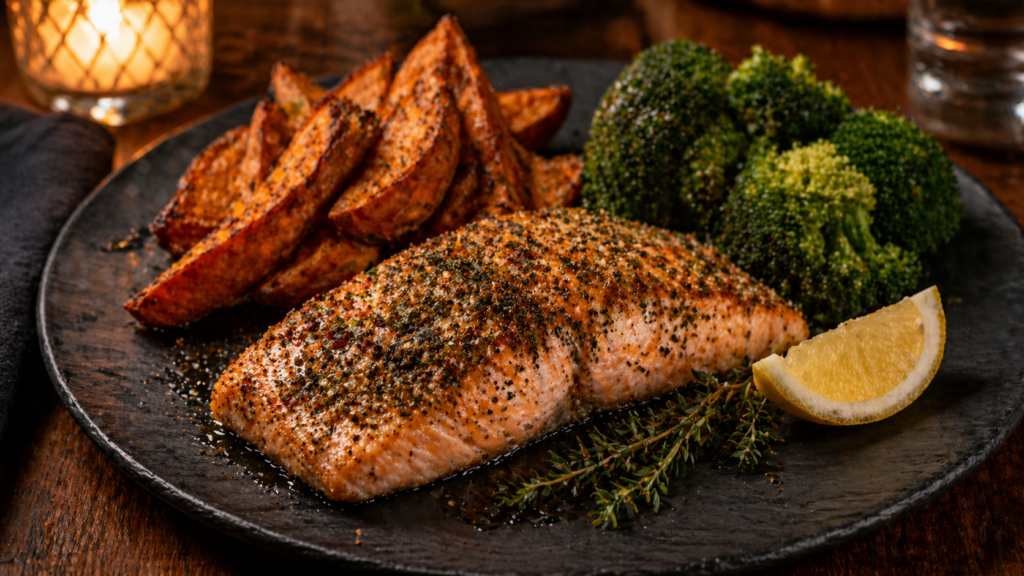
Dinner (7:00pm) Baked salmon with roasted sweet potato and steamed broccoli. Season with garlic, olive oil, and lemon.
Why it works: Omega-3s from salmon, complex carbs from sweet potato, and fibre and folate from broccoli.
Evening (if needed) A small handful of pumpkin seeds or a glass of warm milk (magnesium helps sleep quality, which feeds into tomorrow’s energy).
Hydration and Energy: Don’t Overlook This
This one surprises a lot of people. Dehydration — even at just 1–2% of body weight lost — has been shown to significantly impair concentration, reaction time, and mood.
The NHS recommends around 6–8 glasses of fluid per day for adults, more if you’re active or it’s hot. And no, most of that doesn’t need to be plain water — herbal teas, water-rich foods (cucumber, watermelon, celery), and low-sugar drinks all count.
Quick hydration tips:
- Start your day with a glass of water before coffee
- Keep a water bottle on your desk as a visual reminder
- Add a slice of lemon or cucumber if plain water feels boring
- Eat water-rich fruits and vegetables throughout the day
If you’re reaching for caffeine or sugar at 3pm, drink a large glass of water first. You might be surprised how often dehydration is the real problem.

Small Habits That Multiply Your Energy
Getting your diet for energy levels right is the foundation. But these habits amplify everything and are worth adding in gradually.
Eat breakfast. Skipping it forces your body to run on empty for hours. Even something small — a banana and some nuts — is better than nothing.
Don’t eat too much at once. Large meals demand a lot of energy for digestion. Smaller, more frequent meals or snacks often produce more stable energy than two or three large meals.
Eat mindfully and slowly. Rushing meals leads to overeating and poor digestion. Both tank your energy.
Move after meals. A 10-minute walk after lunch is one of the most underrated energy tools around. It improves blood sugar regulation and breaks up the sedentary slump.
Prioritise sleep. You can eat perfectly and still feel exhausted if you’re sleeping poorly. Aim for 7–9 hours, and avoid heavy meals or alcohol close to bedtime.
Manage stress. Chronic stress burns through energy reserves (especially B vitamins and magnesium). Even short breathing exercises or breaks away from screens help.
Energy Food Reference Table:
| Food | Calories (per 100g) | Energy Benefit | Key Nutrients |
| Oats | 389 kcal | Slow, sustained energy release | Fibre, B vitamins, iron |
| Banana | 89 kcal | Quick + sustained boost | Potassium, B6, natural sugars |
| Eggs | 155 kcal | Steady focus and satiety | Protein, B12, choline |
| Salmon | 208 kcal | Brain energy and mood | Omega-3, B12, protein |
| Spinach | 23 kcal | Oxygen transport, reduces fatigue | Iron, folate, magnesium |
| Sweet potato | 86 kcal | Sustained blood sugar stability | Fibre, B6, potassium |
| Almonds | 579 kcal | Curbs hunger, stable energy | Healthy fats, magnesium, protein |
| Quinoa | 120 kcal | Complete protein + slow carbs | All essential amino acids, iron |
| Greek yoghurt | 97 kcal | Protein-rich mid-day fuel | Protein, B12, probiotics |
| Avocado | 160 kcal | Slow fuel, brain health | Healthy fats, B5, potassium |
| Lentils | 116 kcal | Long-lasting energy, gut health | Fibre, iron, protein, folate |
| Blueberries | 57 kcal | Mental clarity and antioxidants | Vitamin C, manganese, flavonoids |
Quick Wins: What to Eat to Stay Energized All Day
If you want to take action today, here’s what matters most — no fluff, just practical moves.
- Swap white bread for whole grain — one of the easiest changes with a real impact
- Add protein to every meal — eggs, chicken, yoghurt, legumes, or tofu
- Eat a proper breakfast — even 5 minutes is enough to put together oats and fruit
- Snack smarter — nuts, fruit + nut butter, or yoghurt instead of biscuits and crisps
- Drink water before reaching for caffeine — you might just be dehydrated
- Ditch the energy drinks — the crash is brutal and the sugar content is staggering
- Front-load your carbs — eat more complex carbs earlier in the day when you need the fuel
- Eat fatty fish twice a week — salmon, mackerel, sardines for omega-3s and B12
- Don’t skip meals — even small ones keep blood sugar stable
Common Mistakes That Kill Your Energy
Even people with mostly healthy diets make these mistakes — and they pay for it with afternoon sluggishness.
Relying on caffeine as fuel. Coffee boosts alertness by blocking adenosine (a sleep-promoting molecule) — it doesn’t actually create energy. Once it wears off, the adenosine hits hard. Real, food-based energy strategies are more sustainable.
Eating too many «healthy» foods that are still high sugar. Fruit smoothies, granola bars, flavoured yoghurts, and fruit juices often contain as much sugar as a can of fizzy drink. Check the labels.
Skipping fat entirely. The low-fat diet craze left many people constantly hungry and low on energy. Healthy fats from avocado, nuts, and oily fish are essential — not optional.
Not eating enough overall. Undereating is a genuine energy killer, especially for people trying to lose weight. Eat enough to fuel your day.
Ignoring micronutrients. Iron, magnesium, and B12 deficiencies are surprisingly common and cause chronic fatigue. If you’re always tired despite eating well, a blood test might reveal the answer.
Conclusion
Knowing what to eat to stay energized all day isn’t about following some complicated protocol. It’s about building meals around whole foods, staying hydrated, keeping blood sugar stable, and fuelling your body consistently.
You don’t need supplements. You don’t need expensive superfoods. You need oats in the morning, a protein and vegetable-rich lunch, smart snacks in between, and enough water throughout the day.
Start with one change. Swap the pastry for porridge. Add a handful of nuts to your afternoon. Drink a glass of water before that 3pm coffee.
Small changes compound. And once you feel the difference — the clarity, the consistent energy, the absence of that awful mid-afternoon crash — you won’t want to go back.