
Why do I have no energy all day, even when I get enough sleep?
You wake up tired, your energy drops halfway through the day, and by the evening you feel completely drained.
It’s easy to assume you just need more sleep, but that’s not always the real problem.
In many cases, low energy is caused by small daily habits you don’t even notice.
And here’s the surprising part: most of these habits feel completely normal.
Why Do I Have No Energy All Day?
Feeling tired all the time isn’t always about sleep. Many people get enough hours in bed but still wake up without feeling truly rested.
Your energy levels depend on much more than just how long you sleep. Things like daily movement, hydration, posture, and screen habits all play a role in how you feel throughout the day.
Modern routines don’t help either. Long hours sitting, constant screen exposure, and irregular schedules can slowly wear down both your body and your focus.
According to organizations like the World Health Organization and the Centers for Disease Control and Prevention, lifestyle habits are one of the most common reasons people experience ongoing fatigue.
The key idea is simple: you don’t need a serious health issue to feel drained.
In many cases, it’s the small things you repeat every day that end up having the biggest impact on your energy.
10 Hidden Habits That Are Draining Your Energy
1. Checking Your Phone First Thing in the Morning
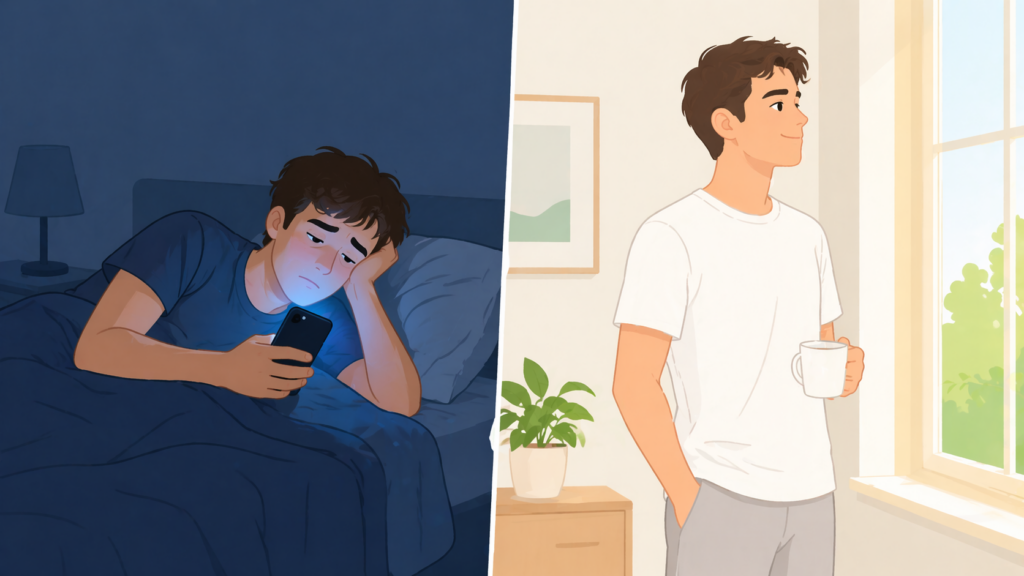
Waking up and immediately grabbing your phone might feel harmless, but it can drain your energy before your day even starts.
When you check notifications, emails, or social media right away, your brain shifts into a reactive state instead of waking up naturally. This can increase stress levels and make you feel mentally tired much earlier in the day.
On top of that, skipping natural light exposure in the morning can disrupt your body’s internal rhythm, making it harder to feel alert and energized.
Simple change:
Try waiting 20–30 minutes before using your phone and get some natural light instead. Even a short walk or standing near a window can make a noticeable difference. Some people also find that improving their morning routine with small habits like hydration or light exposure can have a bigger impact than relying on caffeine.
2. Not Drinking Enough Water
One of the most common reasons you feel low on energy has nothing to do with sleep — it’s hydration.
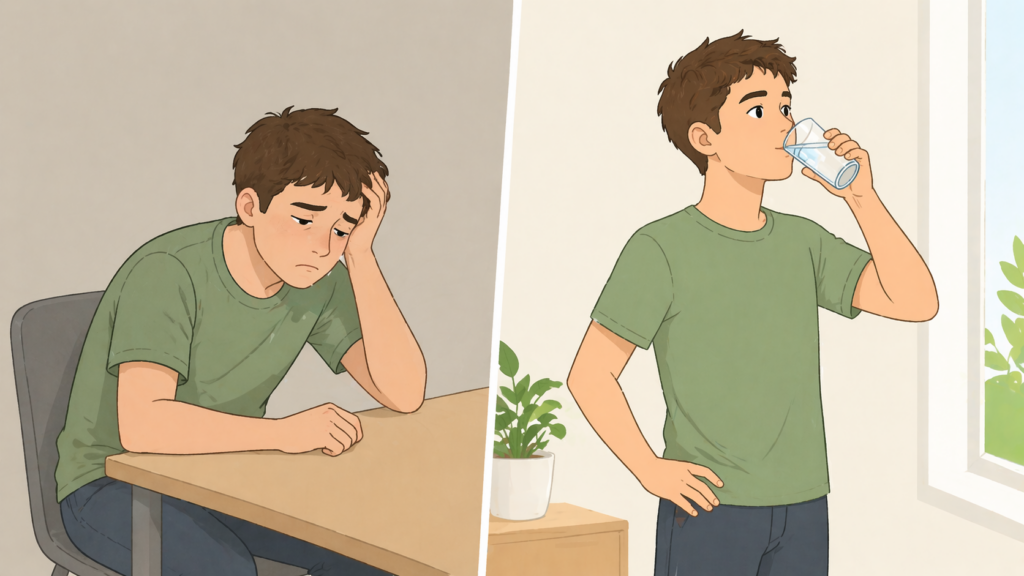
Even mild dehydration can make you feel tired, unfocused, mentally slow and icrease fatigue. And the problem is, most people don’t realize they’re dehydrated until it already affects their energy.
After several hours of sleep, your body wakes up naturally low on fluids. If you don’t drink water in the morning, that fatigue can last much longer than it should.
Simple change:
Drink a glass of water within the first 30 minutes of waking up. Keeping a bottle nearby makes it easier to turn into a habit. Some people find it helpful to use a reusable water bottle with a time marker to stay consistent throughout the day, especially if they tend to forget to drink water.
3. Sitting Too Much During the Day
Spending most of your day sitting might feel normal, especially if you work at a desk or spend a lot of time on your computer. The problem is that your body isn’t designed to stay still for hours.
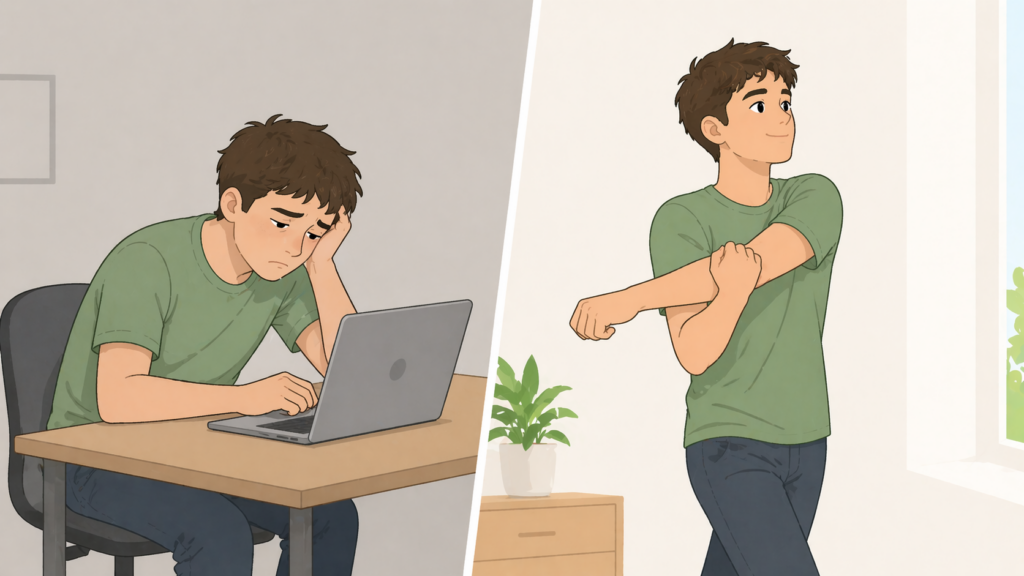
When you sit for too long, your circulation slows down and your muscles become less active. This can reduce oxygen flow and make you feel sluggish, heavy, and mentally drained, even if you haven’t done anything physically demanding.
Over time, this also affects your posture. Sitting in the same position, especially if you’re slightly slouched forward, can create tension in your neck, shoulders, and back. That tension builds up and contributes to feeling more tired throughout the day.
This is why long periods of sitting can leave you feeling exhausted without any obvious reason.
A simple way to fix it is to break up long sitting periods. Try standing up at least once every 30 to 60 minutes, even if it’s just for a short moment. Stretching, walking a few steps, or resetting your posture can make a noticeable difference.
If you spend a lot of hours at your desk, having a setup that makes it easier to change positions can help a lot. Even something as simple as a laptop stand or a good standing desk can encourage you to move more naturally throughout the day.
4. Too Much Screen Time (Without Real Breaks)
Spending hours in front of screens might not feel physically exhausting, but it puts a constant load on your brain.
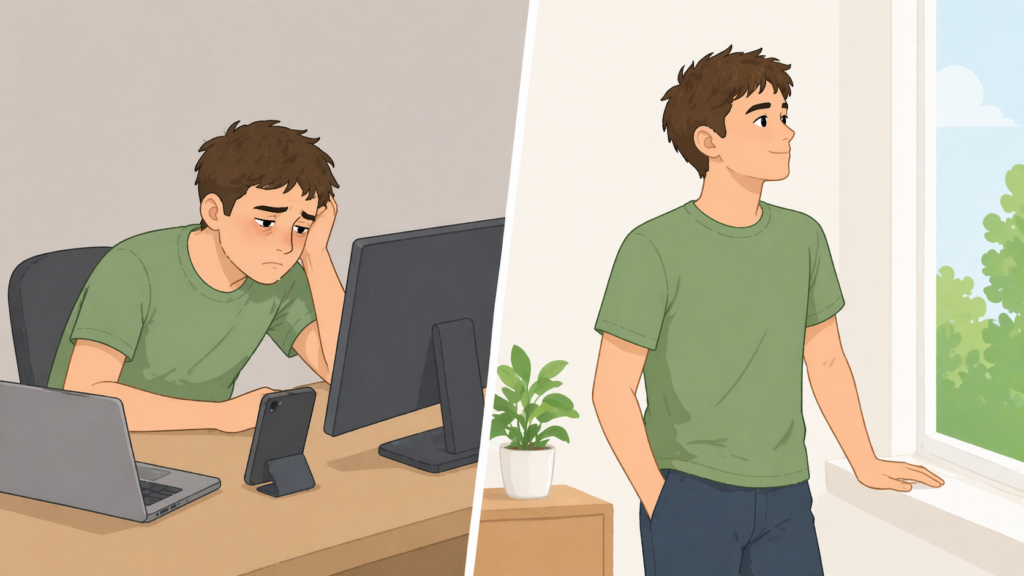
Every notification, scroll, video, or quick task keeps your mind in a state of continuous stimulation. Even if it seems harmless, this creates mental fatigue that builds up throughout the day.
On top of that, switching between apps, tabs, and tasks makes it harder for your brain to focus properly. By the end of the day, this often feels like low energy, even though the real issue is mental overload.
Screens also reduce how often you blink and keep your eyes constantly focused at the same distance, which adds to the feeling of tiredness.
A simple way to fix this is to create real breaks, not just switching from one screen to another. Step away completely for a few minutes, look at something in the distance, or give your eyes and mind a reset.
If you spend long hours on screens, small adjustments can also help reduce that constant strain. For example, using blue light filters or computer glasses can make long sessions feel less tiring over time.
5. Low Intake of Key Nutrients
Sometimes, feeling low on energy has less to do with what you do during the day and more to do with what your body is missing.
Your body needs certain nutrients to produce and maintain energy levels. If your intake is low, you might feel constantly tired, even if everything else in your routine seems fine.
For example, low levels of magnesium can affect how well you relax and sleep, while vitamin D is closely linked to energy and overall well-being, especially if you don’t get much sunlight. B vitamins also play an important role in how your body converts food into usable energy.
The tricky part is that these small imbalances are easy to overlook, but over time they can make a noticeable difference in how you feel throughout the day.
A practical first step is to improve your diet with whole foods and regular meals. But if your routine or lifestyle makes that difficult, some people find it helpful to support their intake with simple supplements like magnesium, vitamin D, or a basic B-complex.
6. Not Getting Enough Natural Light
One of the simplest things that affects your energy the most is something many people barely pay attention to: natural light.
Your body relies on light to regulate its internal clock. When you don’t get enough daylight, especially in the morning, it becomes harder for your body to “switch on” properly. That’s when you feel slow, unfocused, and low on energy even if you slept enough.
This is even more common if you spend most of your time indoors or start your day looking at screens instead of going outside.
Over time, a lack of natural light can also affect your sleep rhythm, which makes the problem even worse.
A simple way to fix it is to get some light exposure early in the day. Even 10 to 20 minutes outside, or near a window with direct sunlight, can help your body feel more awake.
If you don’t get much sunlight during the day, especially in winter or if you work indoors, some people use light therapy lamps to support their daily routine and feel more alert.
7. Poor Sleep Quality (Not Just Sleep Time)
Sleeping for 7 or 8 hours doesn’t always mean you’re actually resting well.
A lot of people focus on how long they sleep, but not on how good that sleep really is. You can spend enough time in bed and still wake up feeling tired if your sleep is constantly interrupted or not deep enough.
One of the biggest hidden factors here is your sleeping position and overall comfort. If your body isn’t properly supported, small tensions can build up during the night, especially in your neck, shoulders, and lower back. Even if you don’t fully wake up, your body never fully relaxes.
Your environment also matters more than you think. Light, noise, and even the way your pillow or mattress supports your body can all affect how restorative your sleep feels.
This is why you can wake up feeling just as tired as when you went to bed.
A practical way to improve this is to focus on sleep quality, not just duration. Keeping a consistent sleep schedule, reducing screen use before bed, and making sure your sleeping setup is comfortable can make a big difference.
If your pillow or mattress isn’t supporting you properly, upgrading to something that keeps your neck and spine aligned can help improve how rested you feel over time.
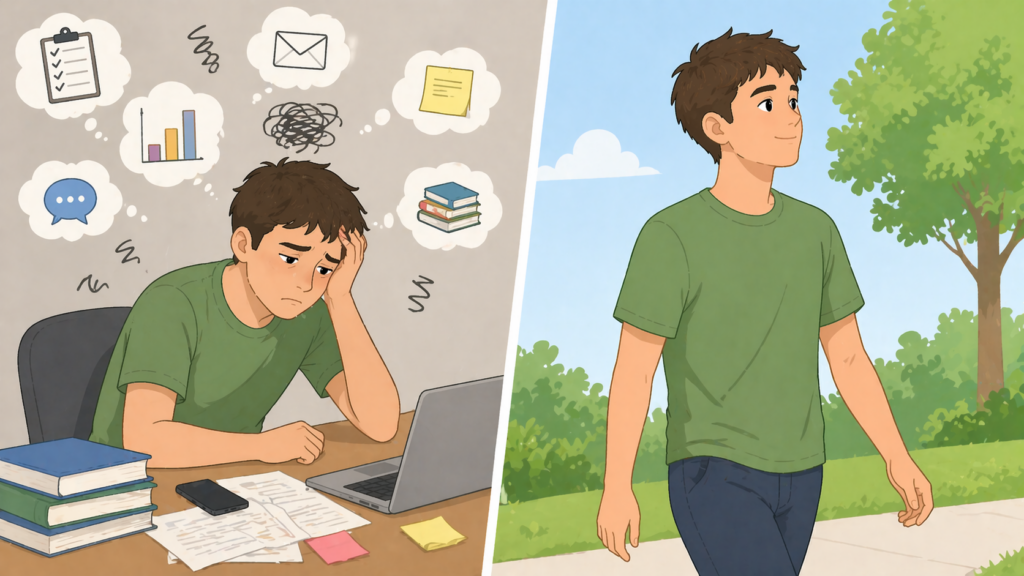
8. Constant Stress and Mental Overload
You don’t need to feel “stressed” in the obvious sense for it to affect your energy.
Many people go through the day with their mind constantly active. Thinking about tasks, checking things off, worrying about what’s next… all of that creates a low-level mental load that builds up over time.
Even if you’re not physically tired, your brain is still working non-stop. And that uses energy.
This kind of mental overload can make you feel drained, unfocused, and even physically tired by the end of the day, especially if you never give your mind a real break.
It also affects how well you rest at night. If your mind is still active when you go to bed, your sleep tends to be lighter and less restorative.
A simple way to reduce this is to create small “mental breaks” during the day. This doesn’t mean scrolling your phone, but actually stepping away for a few minutes, taking a walk, or doing something that doesn’t require constant thinking.
Some people also find it helpful to write things down during the day or before bed, just to clear their mind and reduce that constant mental noise.
9. An Irregular Sleep and Daily Routine
Your body works best with consistency. When your sleep schedule and daily routine change constantly, it becomes harder for your body to maintain stable energy levels.
Going to bed at different times every night, waking up inconsistently, or eating at irregular hours can confuse your internal rhythm. Over time, this makes it harder to feel naturally alert during the day and properly tired at night.
Even small inconsistencies can add up. For example, staying up late one night and trying to “fix it” the next day often creates a cycle that keeps your energy unstable.
This is why you might feel tired even if you technically slept enough hours.
A simple way to improve this is to anchor your day with a few consistent habits. Try to wake up at a similar time every day, get some light exposure in the morning, and keep your meals and sleep schedule as regular as possible.
Some people also find it helpful to track their routine with a simple planner or habit tracker, especially when they’re trying to build more consistency.
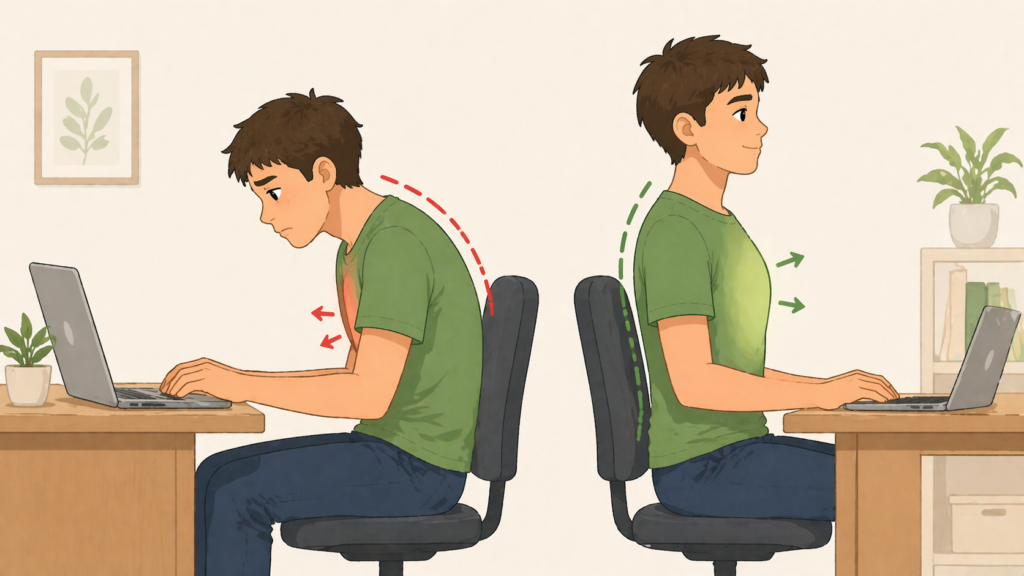
10. Poor Breathing and Slouched Posture
The way you sit and breathe throughout the day has a bigger impact on your energy than most people realize.
When you spend hours in a slouched position, your chest compresses slightly and your breathing becomes more shallow. Instead of taking full, deep breaths, your body gets used to shorter, less efficient breathing patterns.
Over time, this can reduce how much oxygen your body is getting, which directly affects how alert and energized you feel.
It also creates tension in your neck, shoulders, and upper back, which adds to the feeling of fatigue.
This is why you can feel both physically and mentally drained even if you haven’t done much.
A simple way to improve this is to become more aware of your posture during the day. Sitting upright, keeping your shoulders relaxed, and occasionally taking deeper breaths can help your body feel more awake.
If you find yourself constantly slouching, having something that gently supports your posture, like a lumbar support cushion or a posture corrector, can make it easier to maintain better alignment without thinking about it all the time.
If you’ve been wondering why you have no energy all day, the answer is often simpler than it seems.
In most cases, it’s not just one big problem, but a combination of small daily habits that slowly drain your energy without you noticing. Things like how you start your morning, how much you move, your posture, your screen time, and even your routine all play a role.
The good news is that you don’t need to change everything at once.
Start with one or two habits. Drink more water in the morning, take short breaks from screens, get some natural light early in the day, or simply pay more attention to your posture.
These small changes might not seem like much, but together they can make a noticeable difference in how you feel.
If your goal is to have more energy throughout the day, consistency matters more than perfection.
You don’t need complicated solutions. Sometimes, simple tools that support better habits, like improving your workspace setup, tracking your routine, or supporting your daily intake, can make it easier to stay consistent over time.
*Disclosure: This article may contain affiliate links. If you choose to purchase through them, we may earn a small commission at no extra cost to you. This helps support the content and keeps the site running.